

Bringing home a new puppy often comes with one big practical question: when is your puppy old enough to start flea and tick protection? The safest start depends on your puppy’s age, current weight, and the type of product you want to use—because not every option is made for very young dogs. Below is a simple, label-first way to choose a safe starting point and build a routine you can actually stick with.
Why timing matters for puppies
Puppies aren’t just smaller versions of adult dogs. Their skin can be more reactive, their bodies are still developing, and they groom themselves differently—so the “right time to start” is tied to safety as much as convenience. Starting too early (or choosing a format your puppy isn’t ready for) can lead to skin irritation, stomach upset, or simply poor results.
Waiting too long has drawbacks too. Fleas can cause intense itching and inflamed skin, and in heavy infestations they can contribute to weakness—especially in small, young puppies. Ticks may attach quickly and can cause localized swelling or discomfort even before you notice them.
That’s why the most useful approach is to match your puppy to a product’s tested boundaries: minimum age plus minimum weight. If either requirement isn’t met, hold off and use non-chemical control steps until your puppy qualifies.
Age and weight basics: what labels really mean
Every reputable flea and tick product lists a minimum age and a weight range. Those requirements aren’t suggestions; they’re the safety and effectiveness limits the manufacturer evaluated. Two puppies the same age can have very different weights, so confirm both before you buy—and recheck regularly as your puppy grows.
- Minimum age: Many puppy-labeled preventatives start at an age measured in weeks. If your puppy is younger than the label allows, stick with mechanical control (combing, cleaning, checks) until they reach the threshold.
- Minimum weight and weight bands: Most products come in weight categories. Using the wrong size can increase the chance of side effects or leave gaps in protection.
- Species and life stage: Use dog-specific products on dogs only. In multi-pet homes, store products carefully and prevent pets from licking each other after application if the label warns against it.
Concrete, label-aligned examples (no brand names): Always verify your specific product, but many common formats follow patterns like these:
- Oral preventatives: Often begin around 8+ weeks of age and a minimum weight commonly around 2–4 lbs, depending on the product.
- Topical spot-ons: Frequently start at 7–8+ weeks with a minimum weight sometimes around 3–5 lbs.
- Tick/flea collars: Some collars are labeled for puppies starting at 7+ weeks (others are later), and fit/adjustment is a major safety factor as your puppy grows.
If you’re stocking up on essentials alongside preventives, browse puppy supplies to keep everything you need in one place—from grooming tools to ongoing protection.
First steps before your puppy qualifies for preventatives
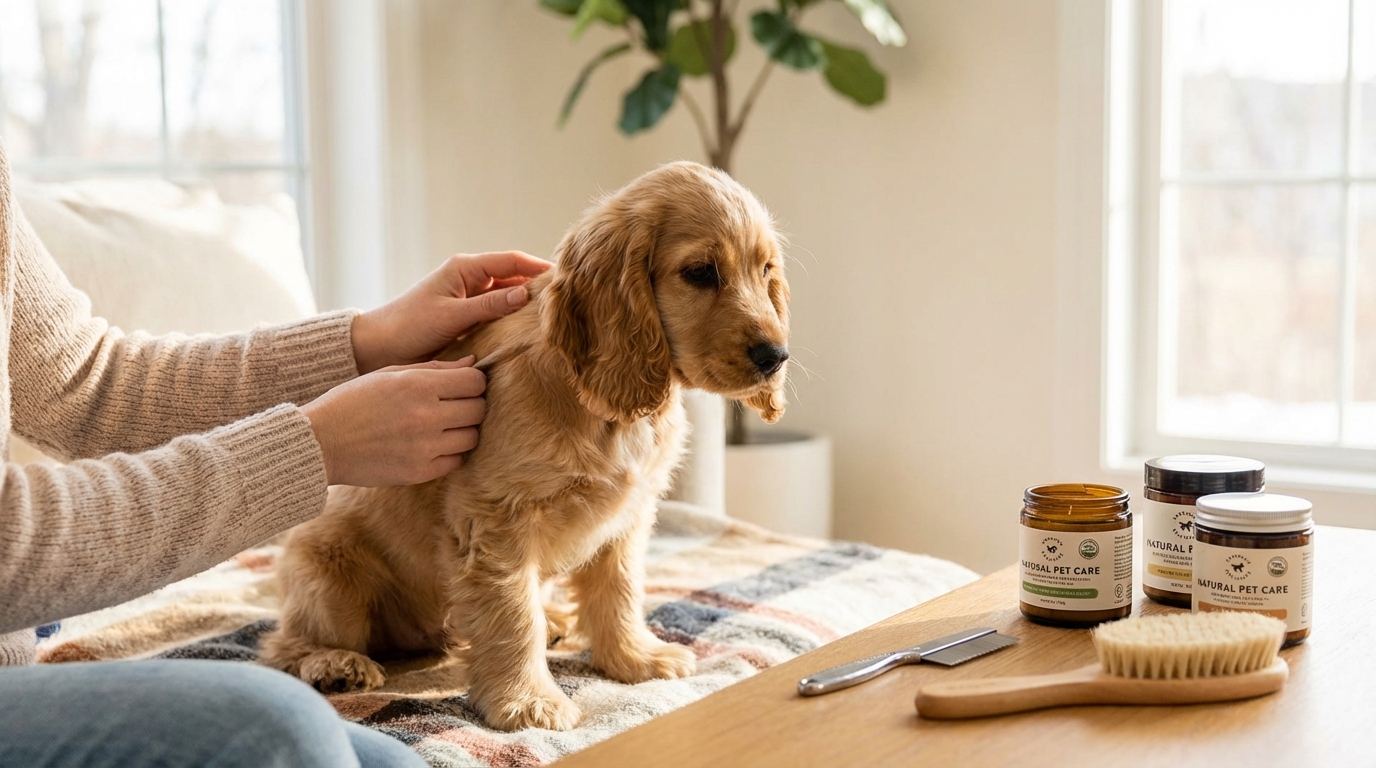
If your puppy isn’t old enough or heavy enough for the product you want, you can still reduce parasite pressure right away. Think of this phase as “control and comfort” while you wait to start a full preventative.
- Use a flea comb: Comb daily, focusing on the neck, base of tail, and belly. Dip the comb in soapy water to trap fleas and debris.
- Bathe carefully: A gentle, puppy-safe bath can help remove dirt and some fleas. Avoid harsh shampoos or anything not labeled for young puppies.
- Wash bedding: Launder blankets and clean resting areas regularly to reduce eggs and larvae in your home environment.
- Do tick checks after outdoor time: Run your hands over ears, under the collar area, chest, armpits, groin, and between toes. Look closely around the face and along the hairline.
Quick tip: Keep a small “after-walk routine”: a 60-second comb-through plus a hands-on tick check. Finding a tick early is easier than removing one that’s been attached for a while.
When your puppy reaches the label’s minimum age and weight, transition from these stopgap steps to a consistent prevention plan. You’ll find options and supporting essentials in our puppy supplies section.
Choosing a product type for flea and tick prevention
There isn’t one best format for every puppy. Your routine, your puppy’s coat, and how easy it is for your household to stay consistent all matter. A product that’s “perfect on paper” won’t help much if it’s hard to apply on schedule.
- Topicals (spot-on): Applied to the skin. Follow label directions about application location and bathing. Plan ahead so baths, swimming, or grooming don’t interfere with how the product distributes.
- Oral chewables: Given by mouth. Many owners like how easy they are to track, but your puppy must meet the minimum age and weight on the label.
- Collars: Long-lasting options can be convenient, but fit is crucial for comfort and performance. Check the collar weekly as your puppy grows, and watch for rubbing or hair loss at the contact points.
- Shampoos and sprays: Often provide short-term control rather than long-term prevention. They can be helpful during the “too young for preventatives” stage, but they may not replace ongoing protection once your puppy qualifies.
No matter what you choose, avoid combining multiple flea/tick products unless the labeling specifically allows it or your veterinarian has guided you. Layering treatments can increase the risk of irritation or other unwanted reactions.
Building a simple, reliable prevention schedule
Once you’ve identified the right time to start based on label minimums, the next challenge is consistency. Parasite prevention works best when it’s given or applied on time, every time.
- Pick one reminder system: Use calendar alerts, a recurring note, or a consistent “dose day” tied to another routine (like nail trims or monthly photos).
- Reweigh monthly (or as your vet recommends): Puppies grow fast. Update weight so you can switch to the correct size when your puppy moves into a new weight band.
- Track baths and grooming: For topicals, bathing too soon can reduce performance (follow the label). For collars, brushing and coat checks help you spot rubbing early.
- Keep up tick checks: Prevention lowers risk, but it’s not a substitute for quick visual and hands-on checks after outdoor activity—especially in tall grass, brushy areas, or leaf litter.
Safe tick removal basics: If you find an attached tick, use fine-tipped tweezers or a tick removal tool. Grasp the tick as close to the skin as possible and pull straight out with steady pressure. Avoid twisting, crushing, or squeezing the tick’s body. After removal, clean the area and wash your hands. If you can’t remove the tick cleanly, if mouthparts appear to remain, or if your puppy seems unwell, contact your veterinarian for guidance.
If you’re ever unsure about the safest starting point, go back to the label: confirm minimum weeks, weight range, and whether the product covers fleas only or both fleas and ticks.
Frequently Asked Questions
What’s the earliest age puppies can start flea and tick prevention?
It depends on the product and format. Many preventatives start at a minimum age listed in weeks and also require a minimum weight. Your puppy needs to meet both requirements for safe use, so check the label carefully and reweigh as your puppy grows.
Can I use a “natural” flea remedy instead of a proven preventative?
Non-chemical steps like combing, bathing with puppy-safe products, and washing bedding can help reduce fleas—especially when puppies are too young for preventatives. “Natural” remedies vary widely in safety and performance, so once your puppy qualifies, rely on products with clear labeling and tested directions.
How do I know if my puppy needs tick prevention too?
If your puppy spends time outdoors where ticks may be present, it’s often practical to choose a product that includes tick coverage rather than flea-only protection. Even with a preventative, keep up regular tick checks so you can remove any hitchhikers quickly.
What’s a simple next step if I’m deciding between products?
Choose a format you can apply consistently, then narrow it down by (1) your puppy’s current age in weeks, (2) today’s weight and the label’s weight band, and (3) whether you want flea-only or flea-and-tick coverage. Set reminders, and reweigh monthly so your puppy stays in the correct product size as they grow.
Ready to start a routine? Use the label minimums to choose an age- and weight-appropriate option, gather your basics in Sierra Pet Meds’ puppy supplies, and if your puppy has a history of sensitivities, check with your vet before switching products.